


Presentation and Atmosphere in Culinary Service
Encounter with SUSgallery
―― In terms of presentation, how do you view the role of tableware
and plating
in enhancing the dining experience?
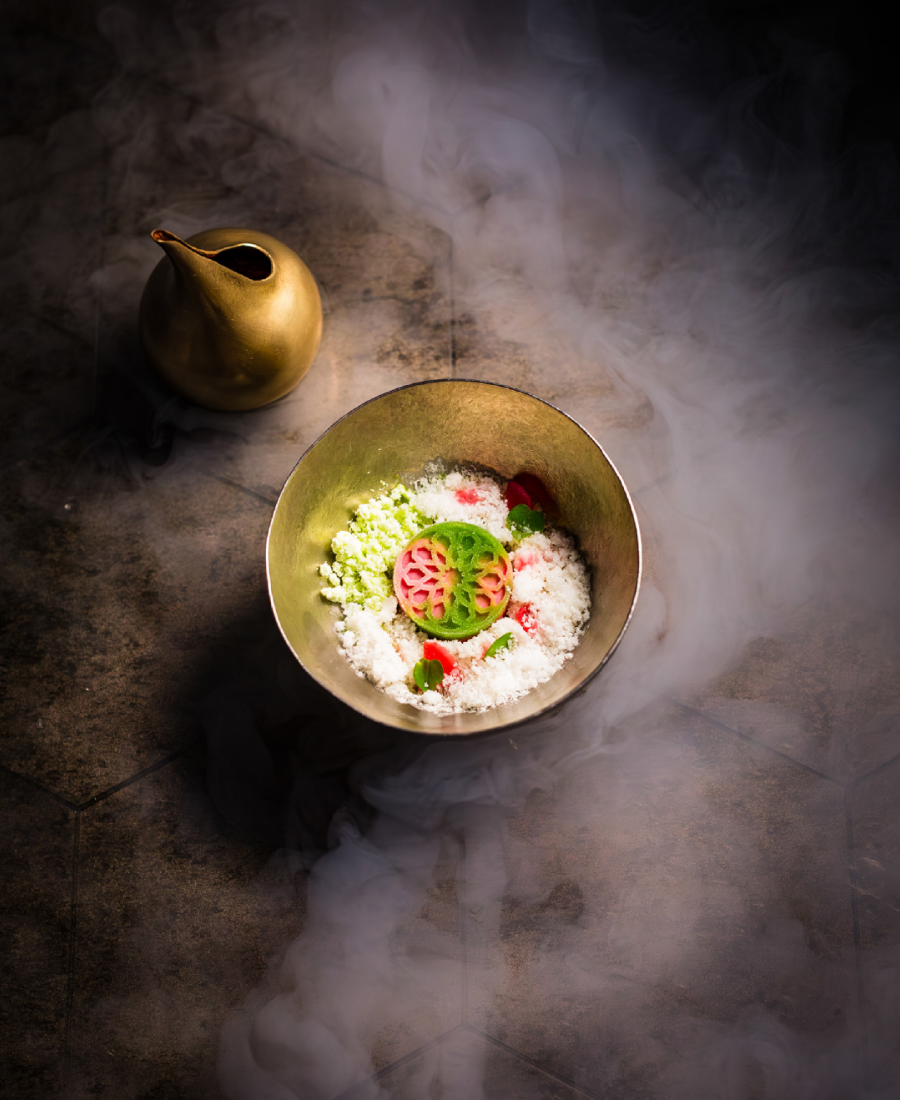
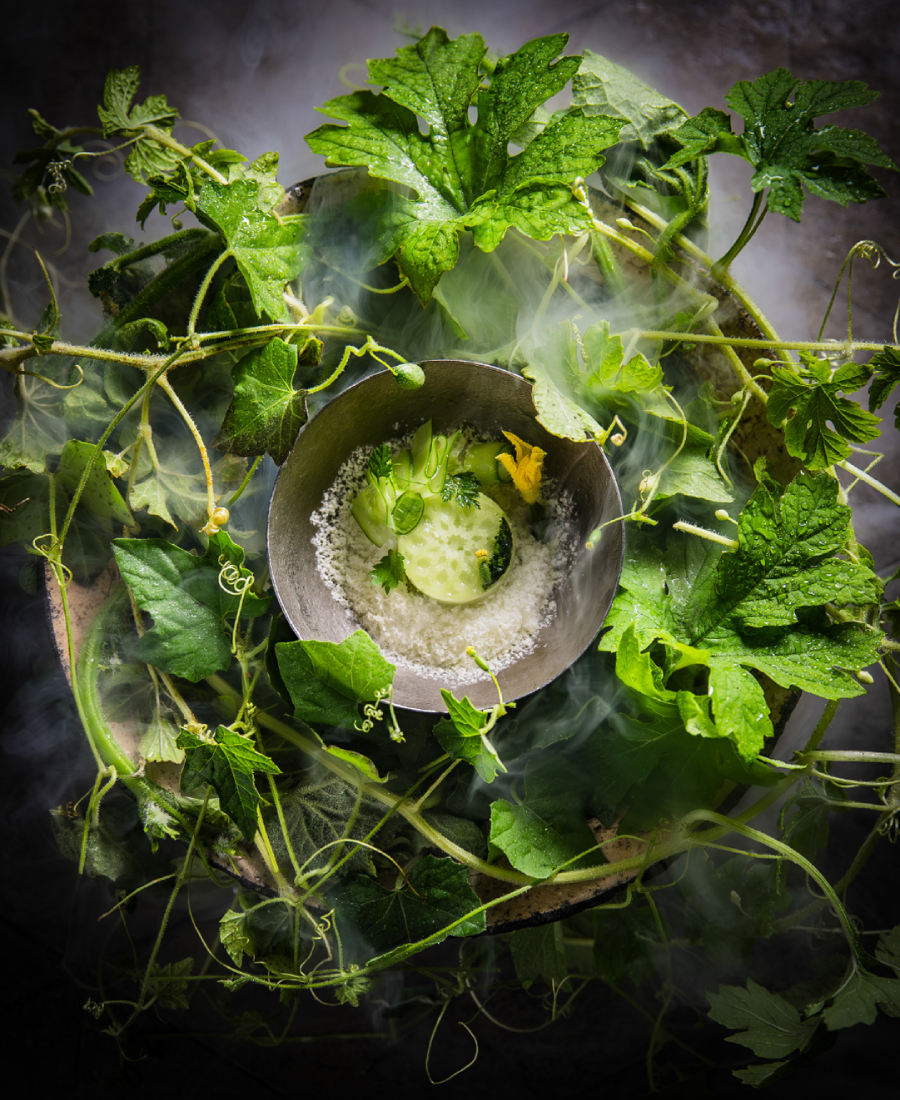
We believe it is extremely important. For us, tableware is not simply something to place food on—it is almost like an ingredient, or a kind of seasoning, that adds another layer to the dish. For example, a simple white plate can serve as a canvas. But we are often inspired by the shapes and materials of the tableware itself, and those elements give us new ideas. We sometimes take those ideas to artisans and explore the possibility of collaborating on new creations. We continuously change our tableware according to the seasons, weather, temperature, and overall presentation. Throughout the meal, we want our guests to experience a wide range of materials—earthenware, porcelain, metal, and glass in the summer. The same applies to cutlery, such as chopsticks, metal spoons, lacquerware, and even shell-based utensils. We are always mindful of varying the materials with each dish, so that every course offers a different sensory experience.
―― Could you tell us when and where you first came across SUSgallery?
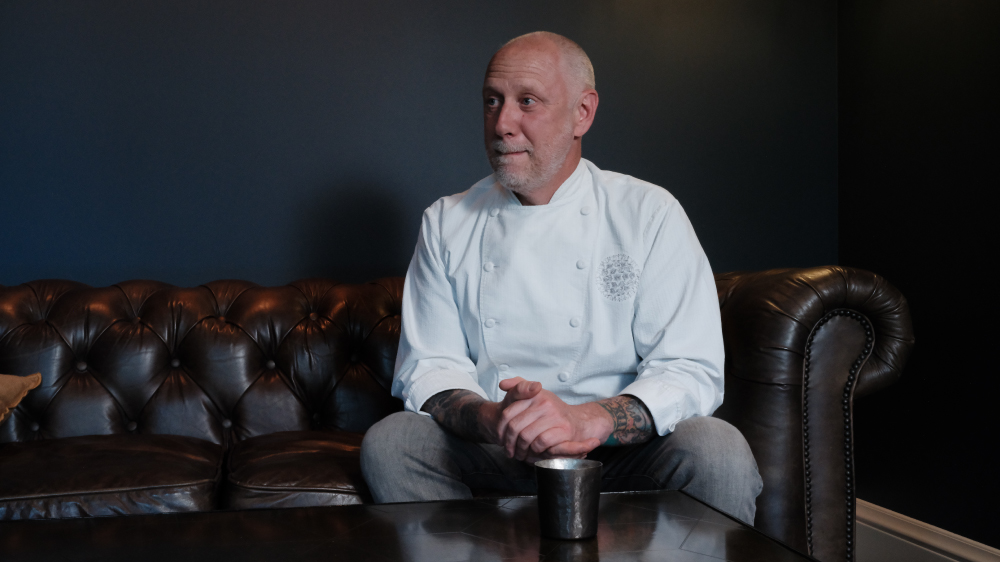
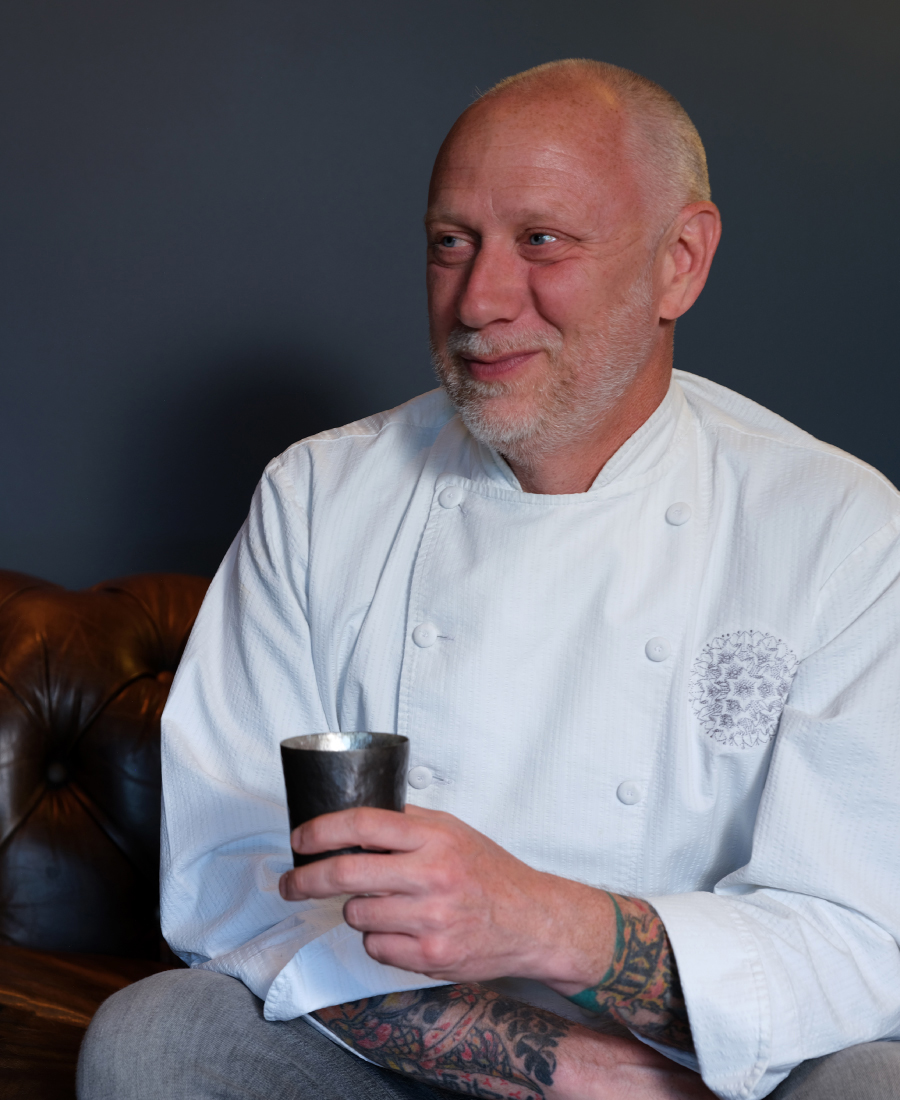
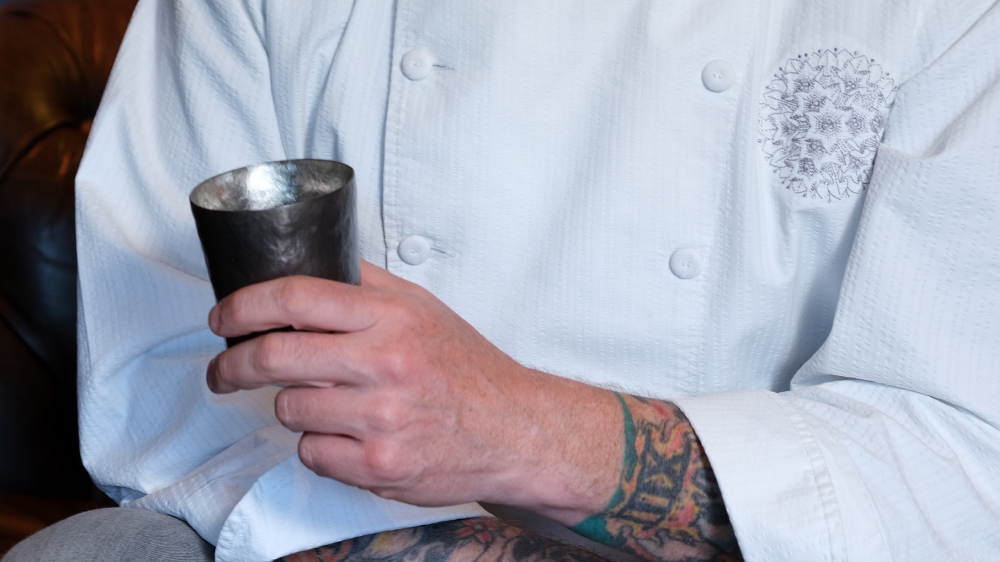
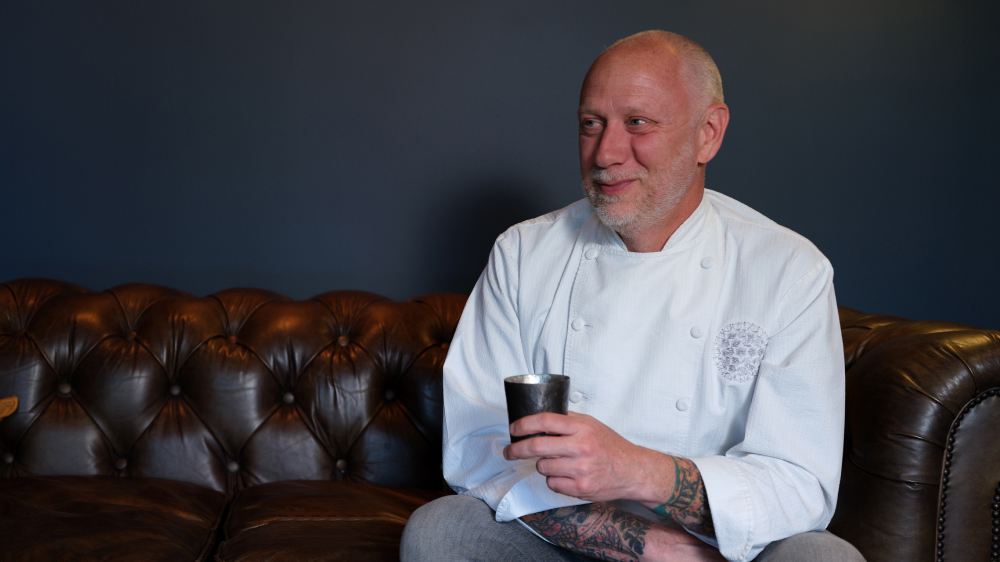
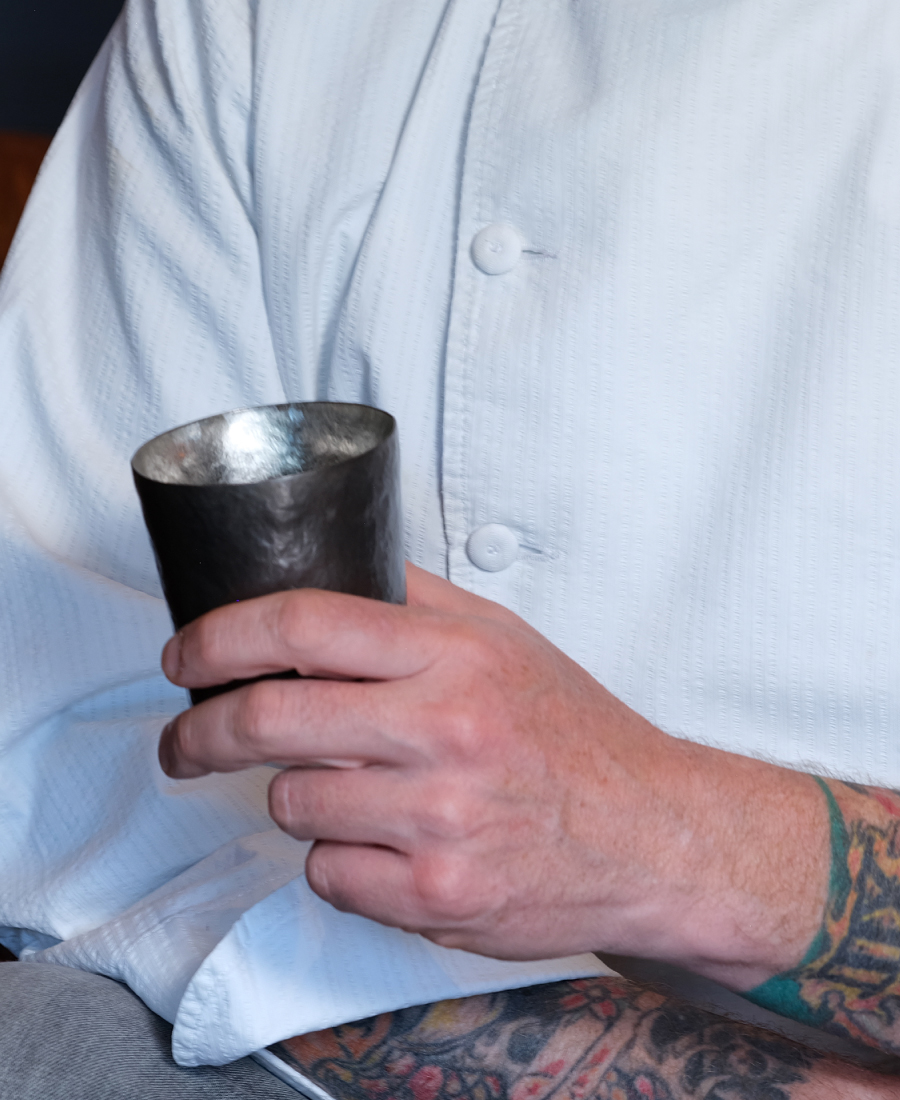
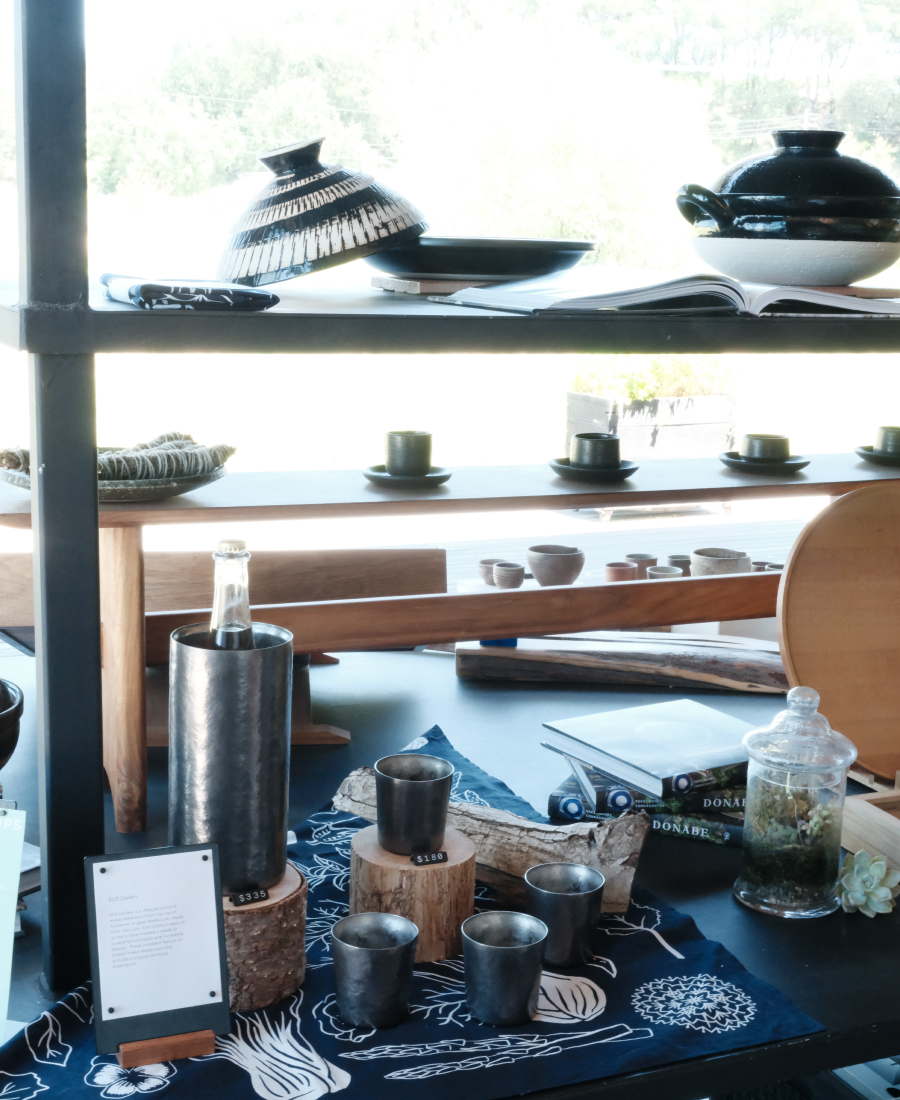
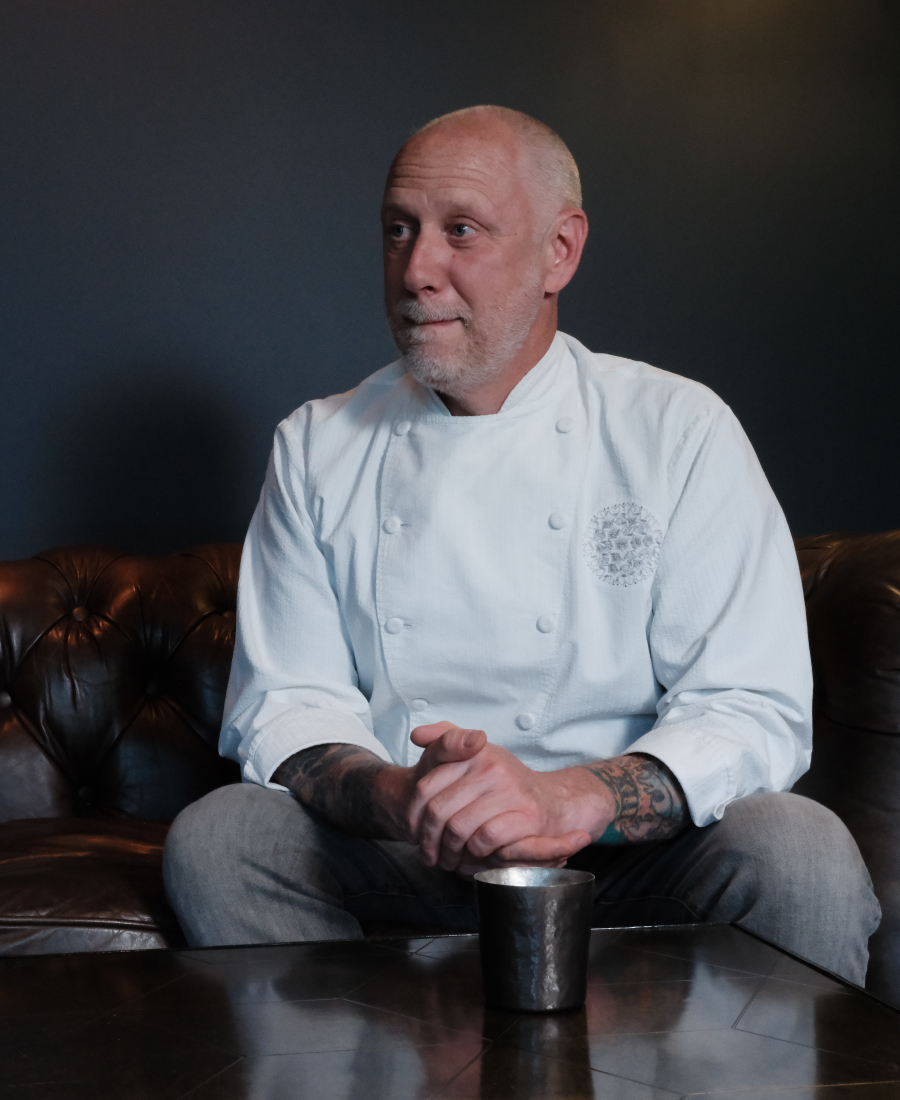
It was about 15 years ago, when I was visiting Tokyo. I happened to stop by a small SUSgallery store and received a detailed explanation about their work. I remember being deeply inspired, and at that moment, I decided, “One day, when I open my own restaurant, I want to use these pieces.” I took home a small card and kept it in a file where I collected materials and ideas for my future restaurant. After that, whenever I visited Japan, I always made a point of stopping by SUSgallery in Tokyo. I was especially inspired by the store in Coredo Muromachi, where I purchased several pieces and brought back their catalog. Among them, there was one tumbler in particular that I knew I wanted to use at Single Thread. In fact, the colors of the carpet and furniture in our dining room were chosen based on that cup. I wanted everything to match its tone exactly. I showed the tumbler to our interior designers and told them, “This will always be on the table, so please design the entire space around this color.” While the dishes change, this tumbler remains in front of our guests from the very beginning to the end of the experience.
―― Which SUSgallery items are you currently using at the restaurant,
and what are their benefits?
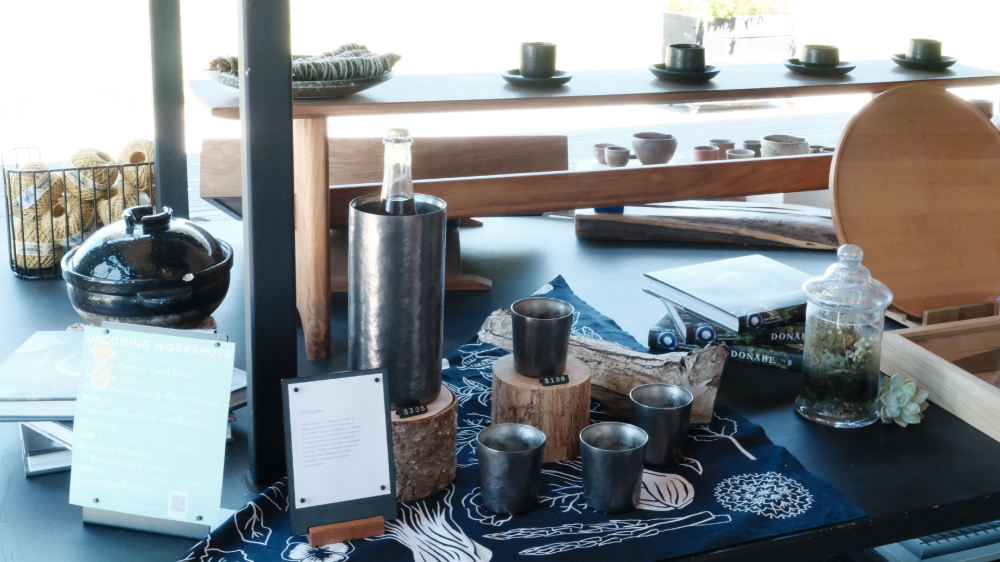
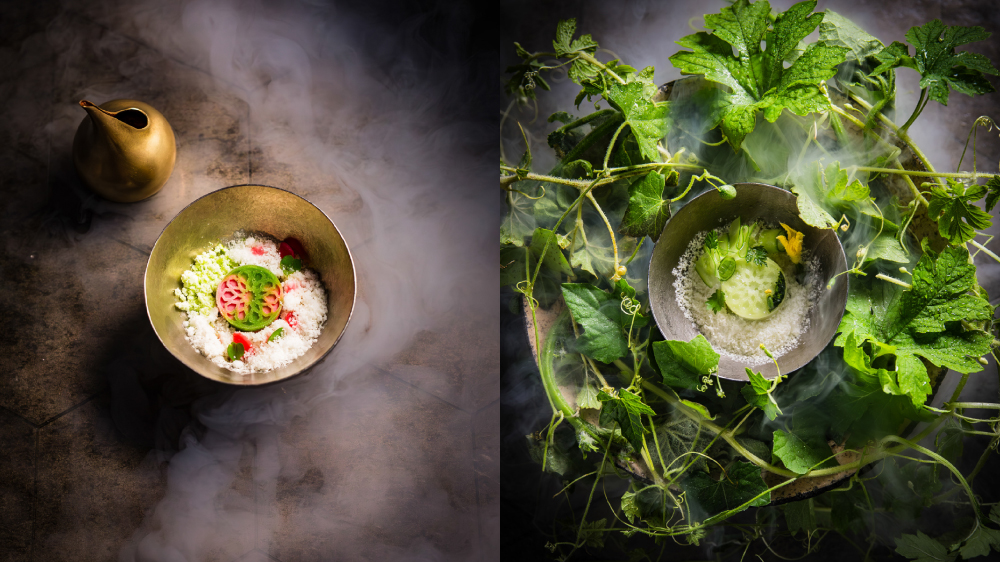
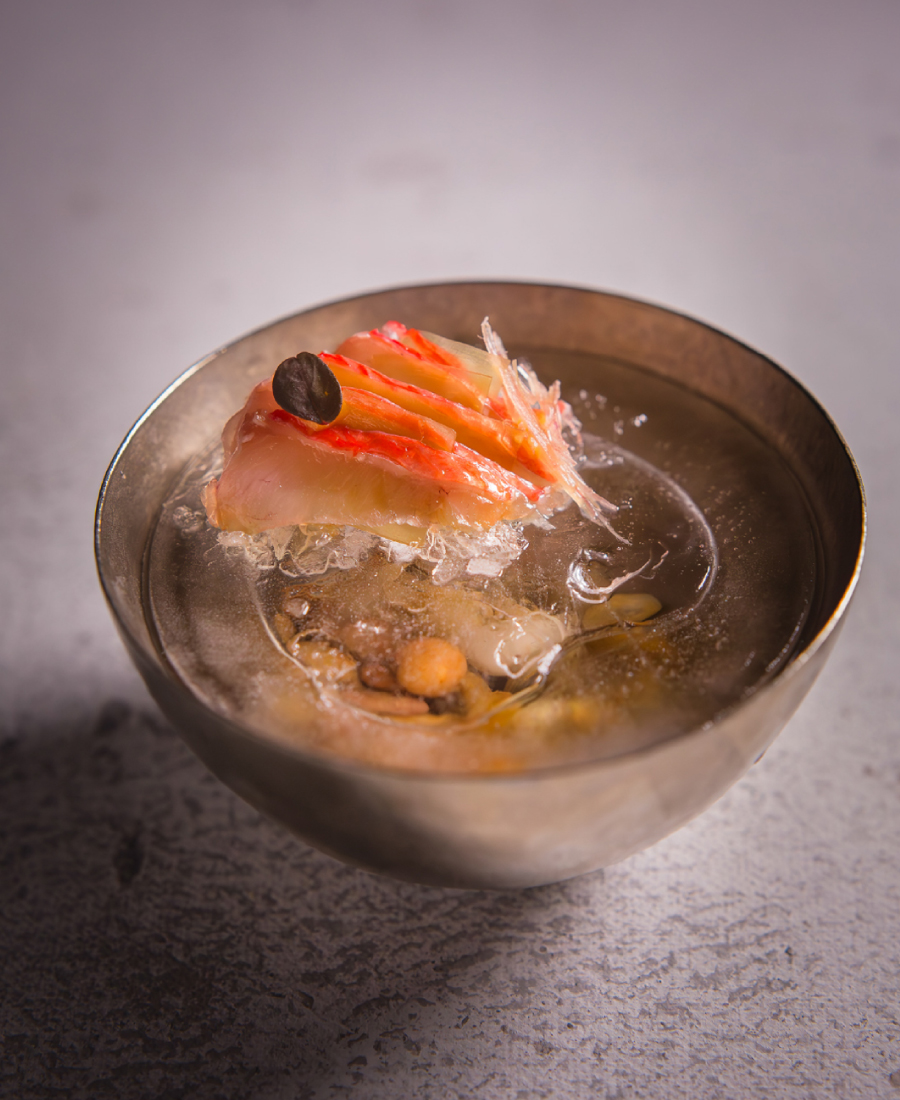
Our guests really love the tumblers. When they sit down, the very first thing they receive is water, and that becomes their first impression of the restaurant. They pick it up, feel it, notice the temperature, and realize that there is no condensation on the table. Naturally, they begin to ask questions. That interaction itself becomes their first impression of Single Thread, and it lets them sense that something special and unexpected awaits them that evening. For us, this is extremely important. We also use bottle Keepers. When guests order white wine, sake, or champagne and want to keep it cold, we place it inside and set it near their table, allowing them to enjoy it visually as well. In addition, we use small bowls for certain courses, especially for cold dishes.
―― What kind of items would you like to see from SUSgallery in the future?
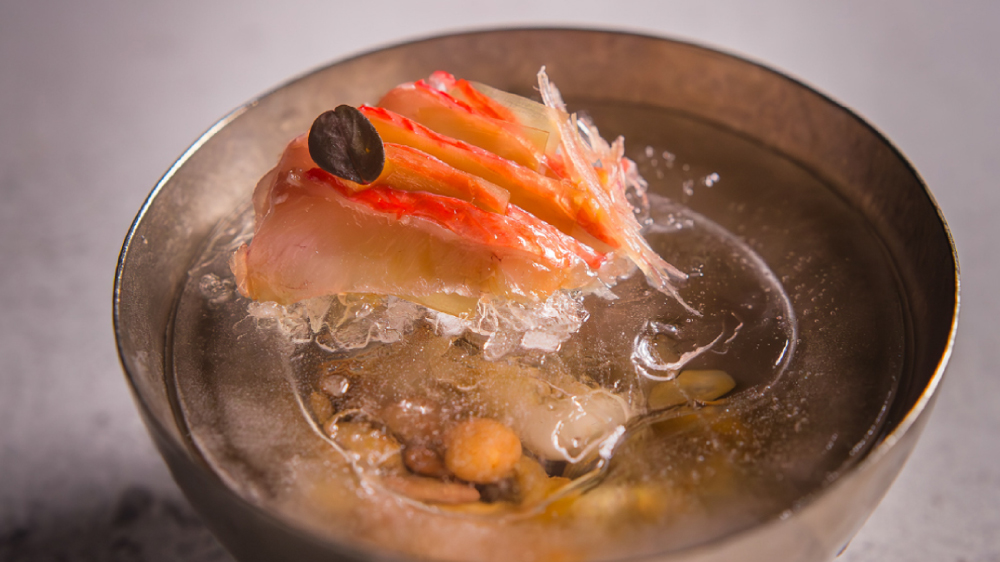
That’s a great question. I haven’t fully defined it yet, but I think it would be really exciting to create something together in the form of a collaboration. I’d like to take a little more time to think about it, because I believe we could come up with something truly interesting. In fact, I once created a dish using a SUSgallery bowl and shared it on Instagram. It was inspired by a scene I saw while traveling to a ski resort in Utah. There was a small river where the surface was frozen, yet water was still flowing underneath. You could see both the frozen and unfrozen worlds at the same time. To recreate that image, we placed small stones and water inside the bowl and froze it. The key was not to freeze it completely, but to leave a hollow space inside. After the surface had frozen, we made a small hole and gently released some of the water, then froze it again. On top of the ice, we arranged thinly shaved ice and sashimi. This structure allowed guests to see the flowing water beneath the frozen surface, much like a quiet river moving under ice. It was unexpected for them, and it reflects the kind of creativity that defines Single Thread.
―― It’s like an art piece. We saw the photo, but never imagined
such a complex process behind it.
We hear that quite often. In fact, we made an interesting discovery. Normally, when you freeze water, it solidifies from all directions, and if you leave it too long, the ice becomes too thick. However, with SUSgallery bowls, it freezes from the top down. To create this dish, we have to find the perfect timing—thick enough to hold its shape, but not so thick that it becomes too heavy. Once it reaches that point, we make a small hole, release a little water, and return it to the freezer. Then we carefully time the service so that it reaches the guest just before it begins to melt. This expression is only possible because of SUSgallery’s vacuum-insulated double structure, which helps maintain the temperature.
―― It’s a very interesting story. It seems you draw a lot of inspiration
from nature.
Do you also travel to different places to find ideas?
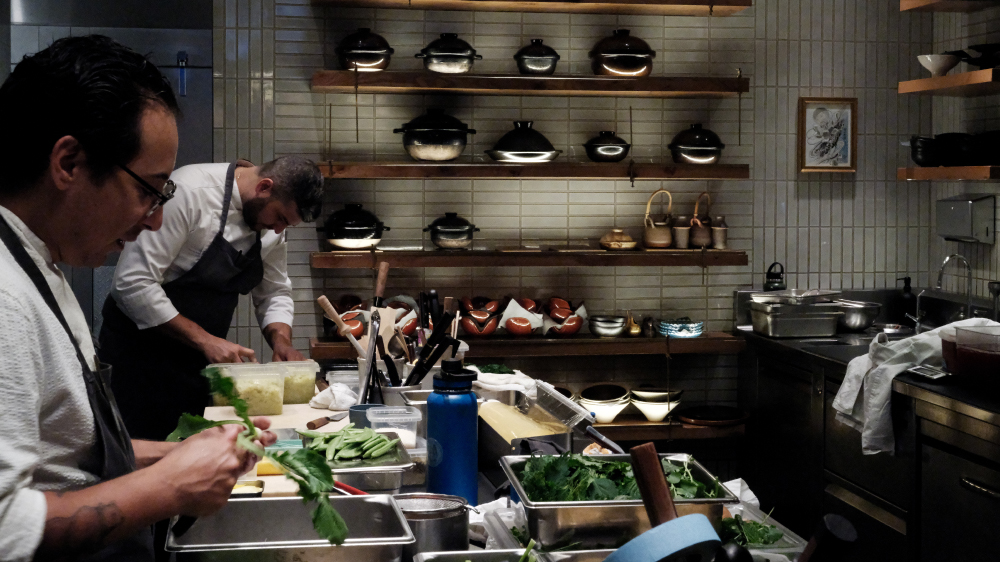
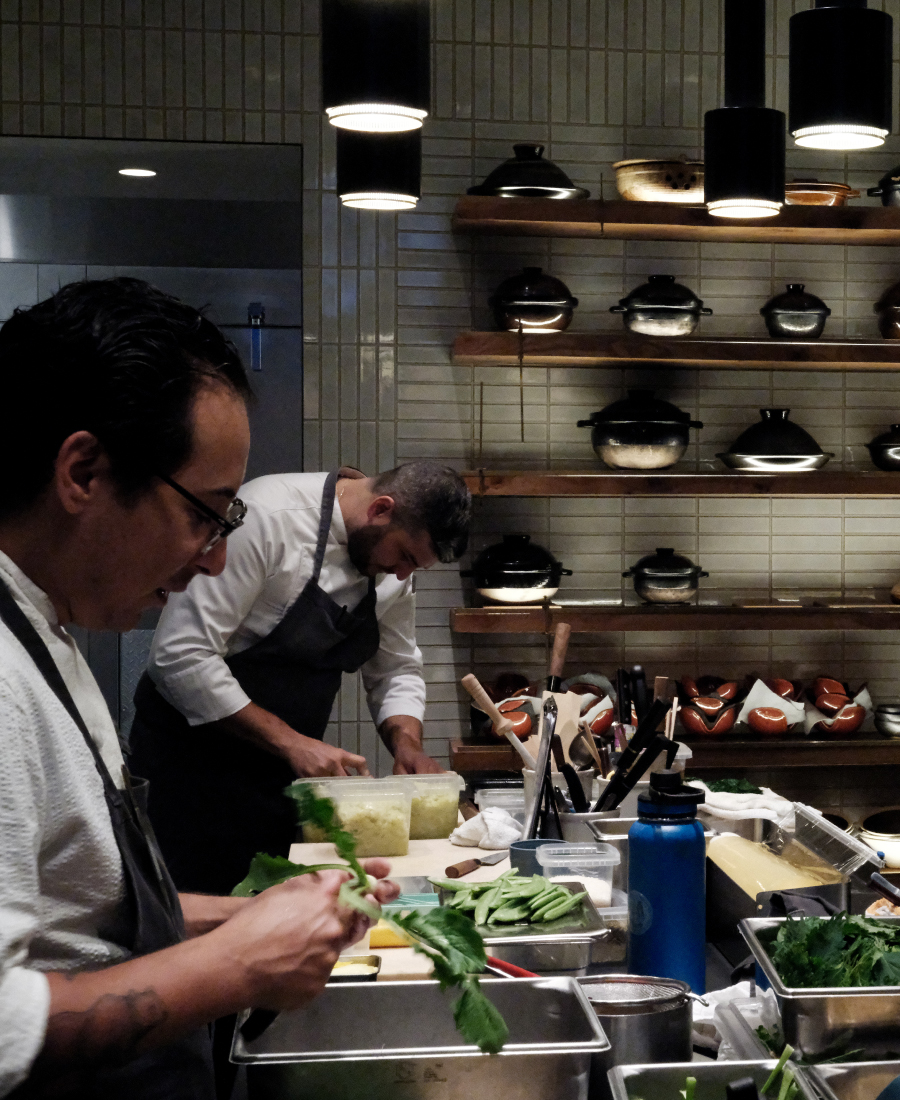
What we do here always comes from this place, California. However, when we go somewhere else, we want to gather inspiration from that area as well. Whether we’re cooking in Japan or anywhere else in the world, we keep our core philosophy intact. At the same time, we believe it’s important to incorporate the ideas and inspirations drawn from the nature and environment of that location. Otherwise, it would just be something brought from outside. At Single Thread, we always aim to create a dining experience that feels truly special and unique.
―― Lastly, what message would you like to give to younger chefs?
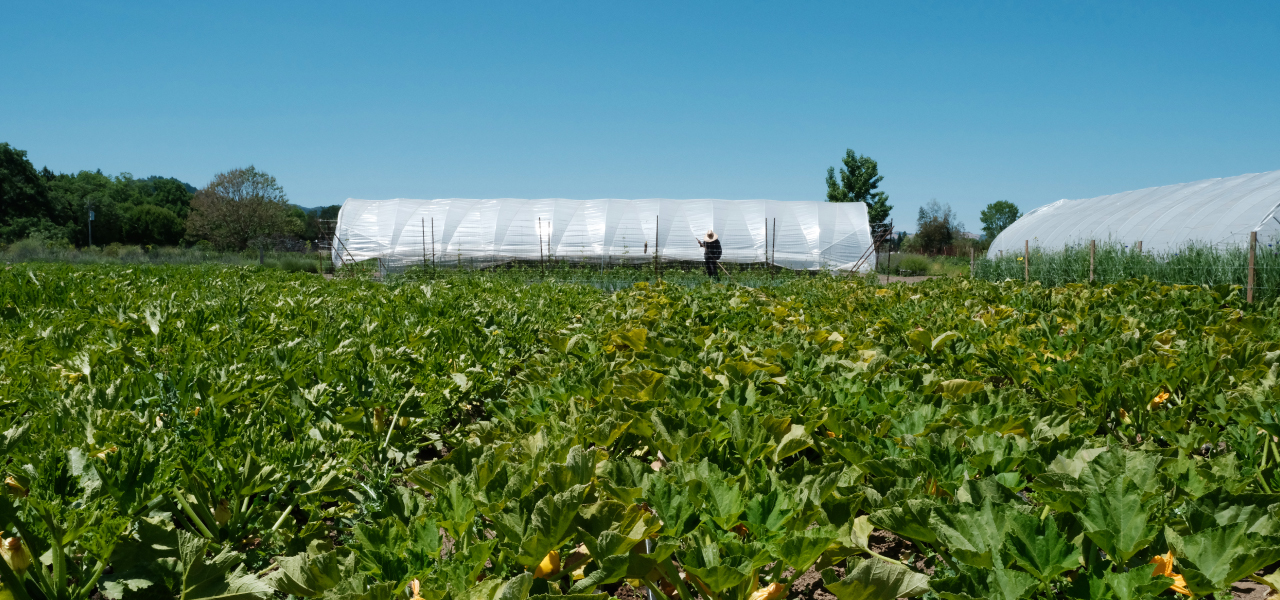
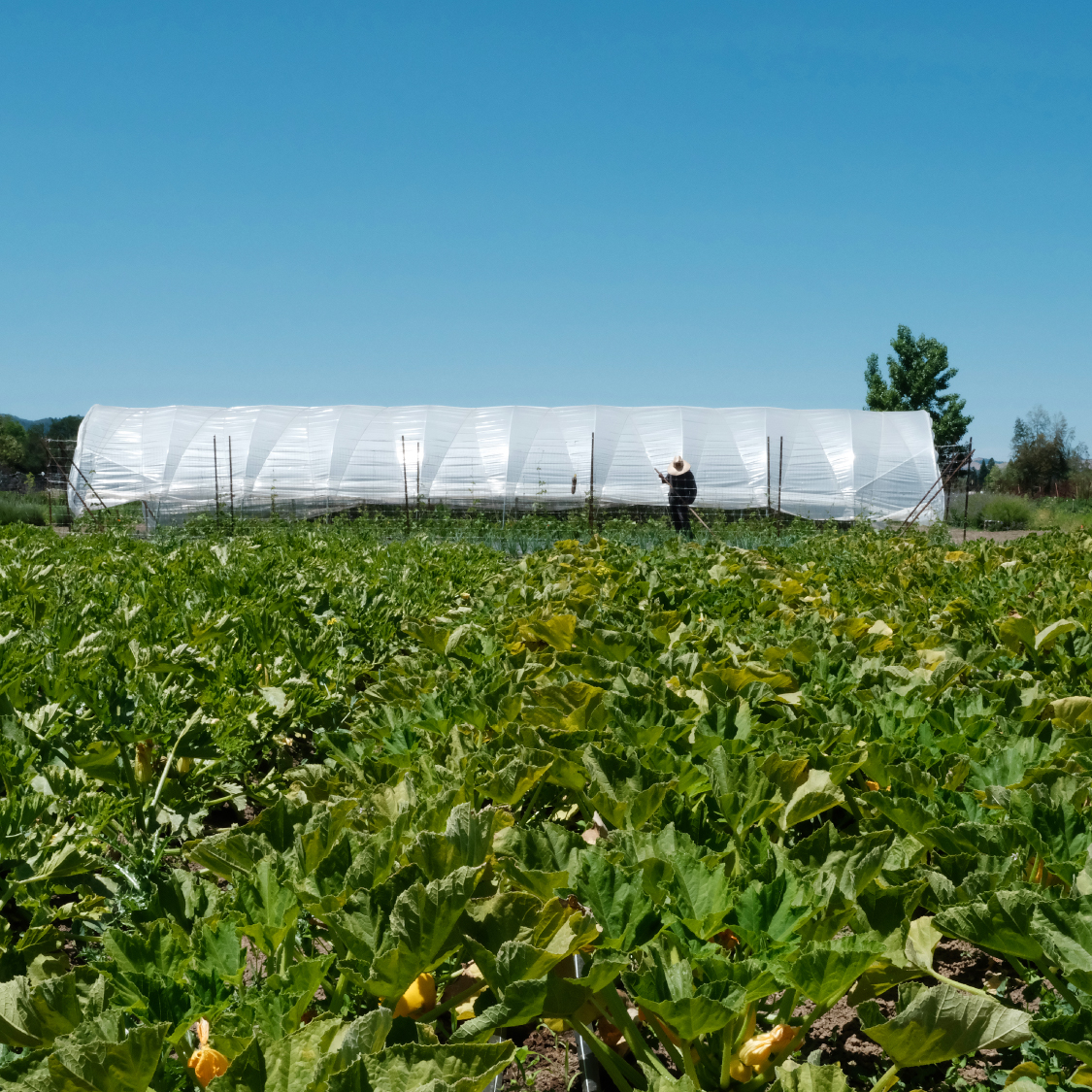
I really want to support the new generation of young, rising chefs. My advice is to always focus on nature and collaborate with people — whether it’s farmers practicing excellent and regenerative farming methods or focusing on sustainable seafood. As chefs, we have the responsibility to express what’s happening in nature through our cuisine. That’s why we dedicate ourselves to finding ingredients that are both high-quality and sustainable.
Another important thing for young chefs is to find a mentor — someone who truly cares about teaching you and helping you grow into a skilled chef. Unfortunately, some kitchens just put young chefs to work without giving them opportunities to learn. That’s why it’s crucial to choose a place where you can properly learn. I believe that’s the most important factor to sustain a long career in cooking.
―― Thank you very much for taking the time to speak with us!
We truly felt Chef Kyle’s dedication to his farm and ingredients,
as well as his deep passion
for Sonoma County. We sincerely look
forward to his continued success in the future.
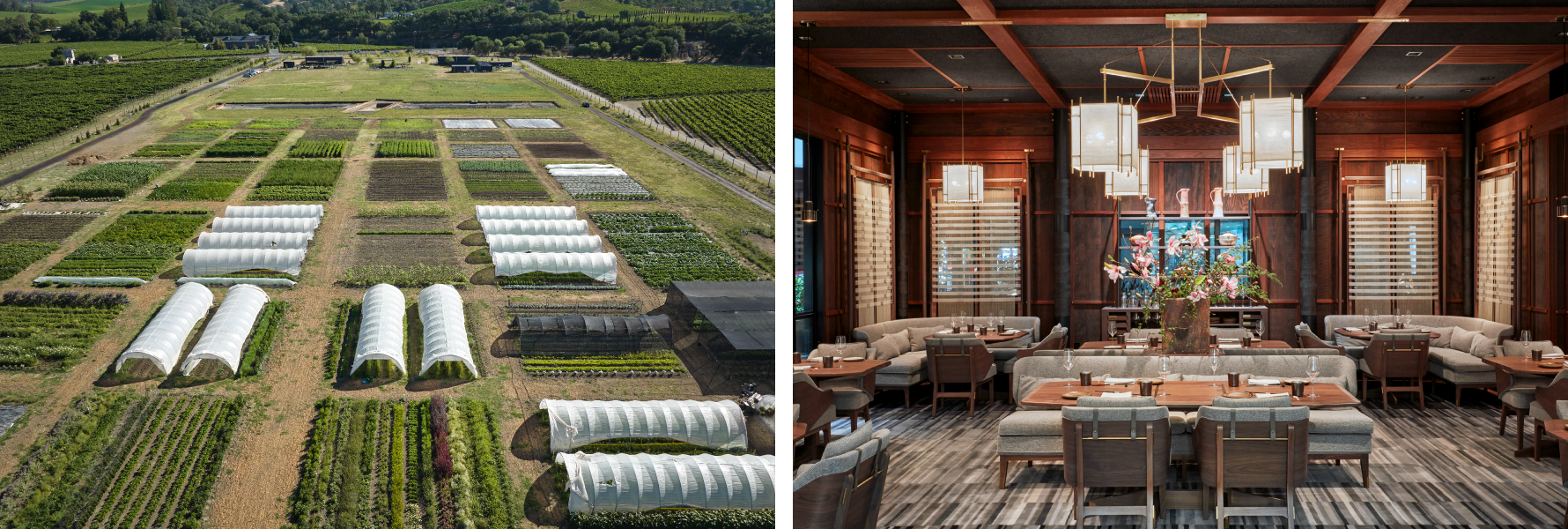
photo: Kim Carroll / Garrett Rowland
- address
- 131 North Street Healdsburg,
California 95448, USA - tel
- +1 (707) 723-4646